Three researchers face a moral test when their AI makes a life-or-death call. Their debate reveals what trust in machines really means—and when humans must stay in control.
When the message arrived, none of the three friends thought much of it. It was just a blinking notification on the lab’s central dashboard: “New Recommendation Generated.”
Mina, the cautious one, squinted at it.
Jae, the optimist, grinned.
Leo, who always asked too many questions, folded his arms.
They’d spent weeks testing the university’s experimental AI—an advisor built to make suggestions on everything from playlists to medical triage. The problem was simple: the AI had just made a recommendation on a real case, and they had to decide whether to trust it.
“Think of it like a compass,” Jae said. “It points somewhere. We just follow.”
“Or like a compass during a storm,” Leo countered. “Perfect until the world shifts and the needle spins.”
Mina tapped the screen. “Let’s not guess. Let’s ask the only questions that matter.”
And so their long, strange night began.

Download practical resources to make AI easier, faster, and more useful — starting now.
They gathered around the monitor as if it were a campfire. Mina spoke first.
“Trust doesn’t mean blind faith. It means expecting the AI to be accurate, fair, and useful in this situation.”
Leo nodded. “Three pillars: how well it predicts, how clearly it explains, and whether it aligns with actual human values.”
Jae raised an eyebrow. “So if those line up, we trust. If even one shakes, we don’t.”
“Exactly,” Mina said.
The first spark of tension flickered in the air.
The trio pulled up cases from the past week.
Jae scrolled. “Look at these: movie picks people loved, spam caught perfectly, glitches in product lines detected before humans spotted them.”
Mina added, “These all share the same pattern—tons of good data, clear tasks, and low consequences if wrong.”
Leo snapped his fingers. “Plus feedback loops. When the system messes up, it learns fast. And when humans double-check? Even better.”
They all agreed: under the right conditions, the AI was astonishing.
But tonight wasn’t about the past. It was about this case, glowing red on the screen.
Leo tilted the monitor toward them. “This case is different. The model says approve the applicant’s medical triage request without review.”
Mina’s voice dropped. “That’s life-and-death. No do-overs.”
Jae scrolled through the data. “Sparse records… some missing groups… and the algorithm hasn’t handled many cases like this one.”
Leo added, “High stakes. No explanation. Possible bias. All the warning signs.”
The room felt colder.
“Let’s keep going,” Mina said. “We’re not done.”
One by one, they pulled examples from the AI’s performance in other domains, almost like detectives reviewing old cases.
Healthcare:
Sometimes brilliant—like identifying diabetic retinopathy with proven accuracy.
Sometimes risky—like offering diagnoses with no clinician watching.
Finance:
Helpful for flagging fraud instantly.
Problematic when denying credit to marginalized applicants.
Hiring:
Speedy for sorting resumes.
Unreliable when echoing old biases.
Consumer tools:
Great for picking songs.
Terrifying if used for medical or legal “advice.”
Public service:
Useful for transparent triage systems.
Dangerous when assigning opaque risk scores.
The examples piled up like clues in a growing puzzle.
Mina pulled a laminated card from her backpack—a simple four-step framework the three had built early in the project.
“Let’s run the case through this.”
Jae leaned back. “So we definitely don’t trust it.”
Leo glanced at the flashing red icon. “We need more than that. Let’s explain why.”
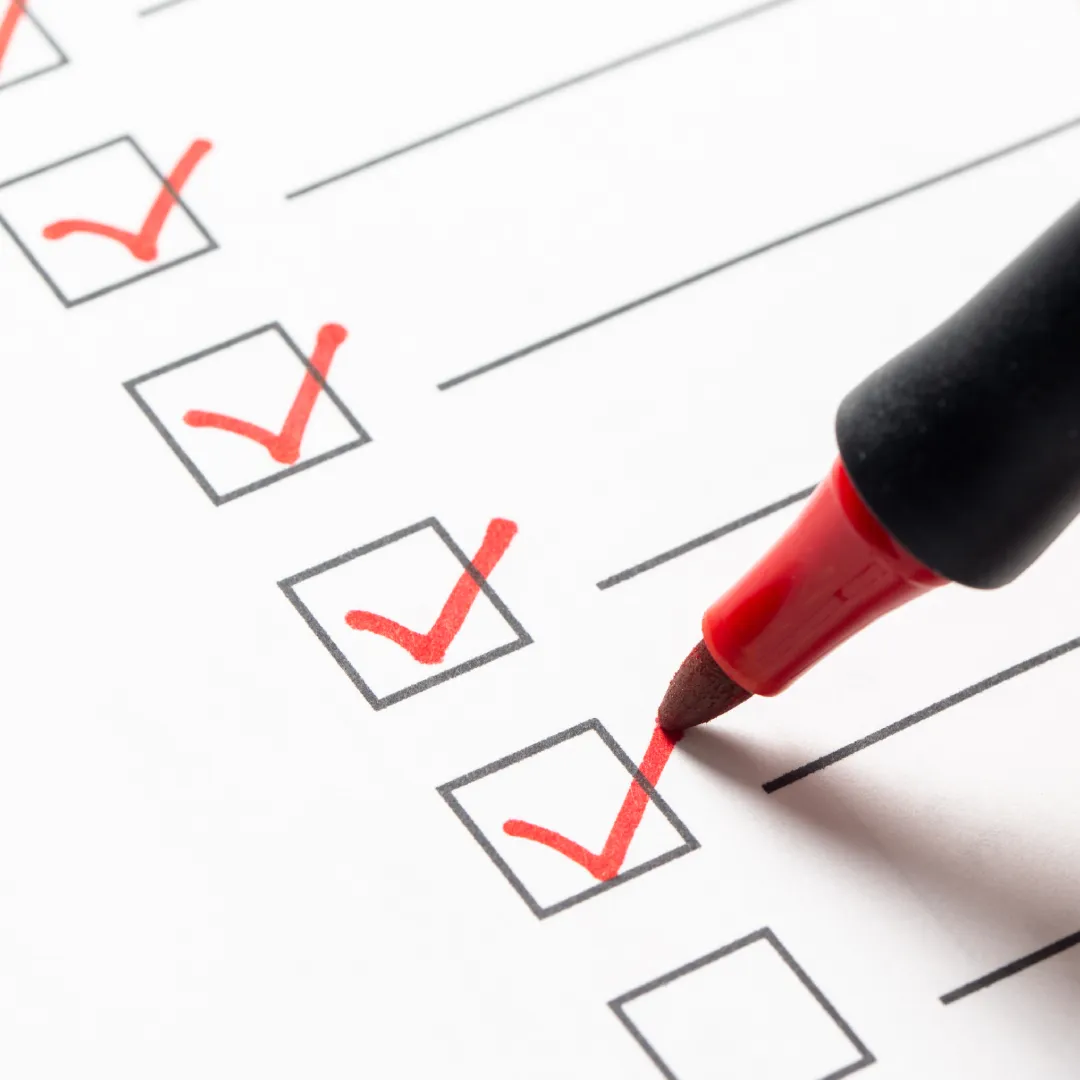
They walked through their full checklist—performance metrics, fairness validation, human-in-the-loop, explainability, audit trails, monitoring for drift, legal review.
The AI failed half of them.
Jae ran a hand through his hair. “It’s not ready for this kind of call.”
Mina whispered, “Then we’re doing the right thing.”
But the story wasn’t over yet.
Someone had to explain the decision to the hospital team waiting for guidance.
“The way we present our reasoning matters,” Leo said. “People trust AI differently depending on how it’s framed.”
Mina drafted a message: clear uncertainty ranges, the factors behind the recommendation, the limits of the data, and—most importantly—a path for human review.
Jae hit send. The message felt honest. Transparent. Human.
Before switching off the lights, Mina said the words they’d repeated all semester:
“Narrow tasks, good data, measurable outcomes, human oversight—trust the AI.
High stakes, biased data, big shifts, vague explanations, or adversaries—slow down.
For moral or life-critical decisions, humans stay at the wheel.”
Jae turned off the monitor.
Leo locked the lab.
And together they walked out into the quiet night, leaving the machine to sleep until morning.
The red icon stopped blinking.
And the reader is left wondering—what will the machine recommend next, and will the three trust it?