
ChatGPT has evolved from a chatbot into an AI operating system—connecting apps, automating tasks, and transforming how we work, learn, and live online.
It started like most great revolutions do — quietly.
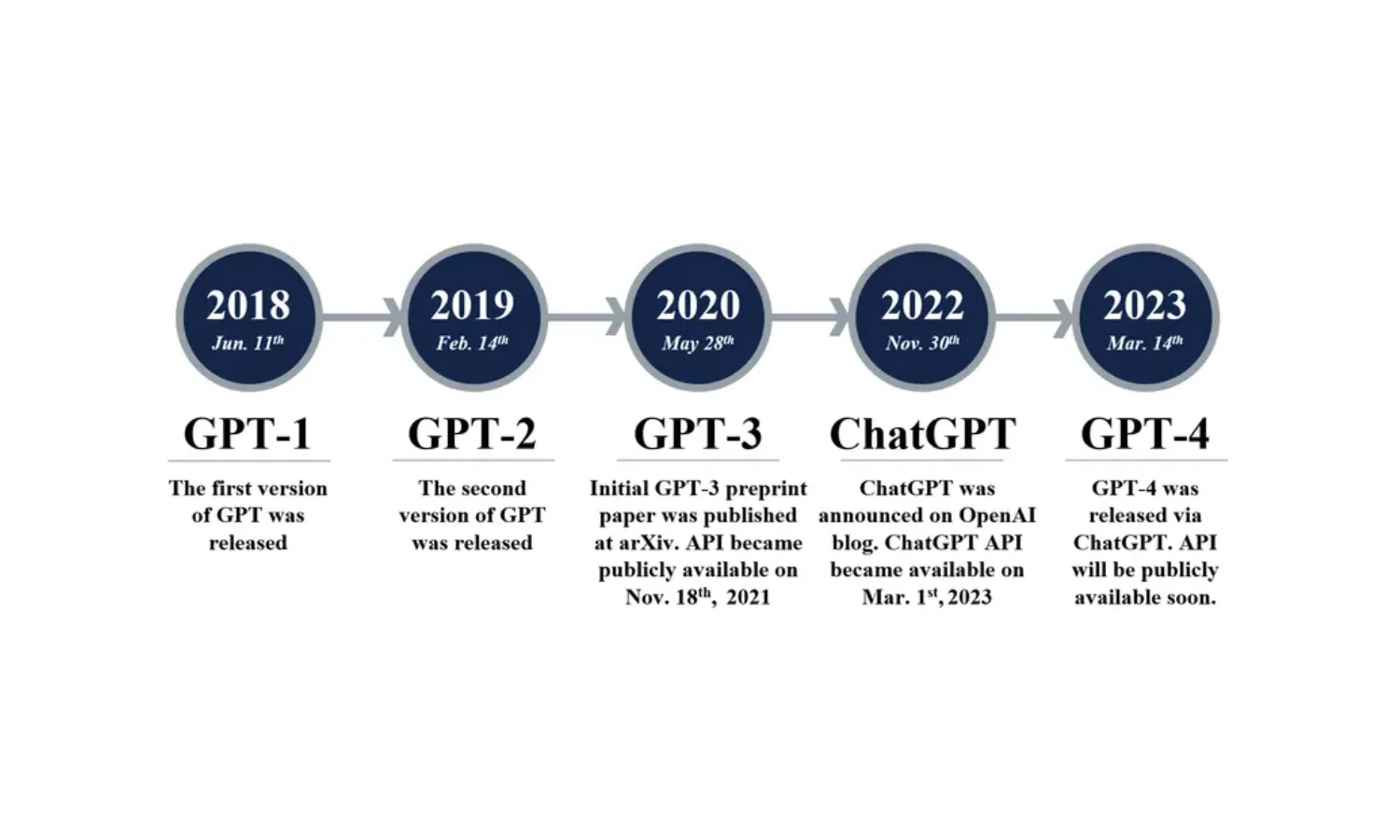
When ChatGPT first appeared in late 2022, it felt like a futuristic toy. You could chat with it, ask for writing help, brainstorm business ideas, or debug code. It was smart, articulate, and weirdly human. But back then, it was still just a chatbot — an impressive one, sure, but a single tool among many.
Fast-forward to 2025, and ChatGPT has outgrown that box completely. It’s no longer just an assistant — it’s becoming the platform where the digital world itself lives.
On October 6, 2025, OpenAI dropped a bombshell: ChatGPT now supports Apps — fully interactive mini-tools from companies like Spotify, Canva, Coursera, and Zillow that live inside the chat itself.
You can now say,
“Spotify, make me a playlist for my weekend hike,” and ChatGPT does it — without ever leaving the chat window.
No more switching between apps, logging in again, or fighting through browser tabs. Just ask, and it happens.
This isn’t a small update. It’s a complete rethink of how we use the internet.
Download practical resources to make AI easier, faster, and more useful — starting now.
Let’s rewind a bit.
In its early days, ChatGPT was like an encyclopedia that could talk back. Then came plugins, web browsing, and code execution — hints that OpenAI was thinking beyond simple chat.
By 2024, ChatGPT had added features like image creation, file uploads, and collaborative tools, transforming it from a conversational partner into a productivity powerhouse.
But the real vision took shape at OpenAI’s DevDay 2025, where the company announced two big moves:
Together, these tools made one thing clear: OpenAI doesn’t just want ChatGPT to answer questions. It wants ChatGPT to run your digital life.
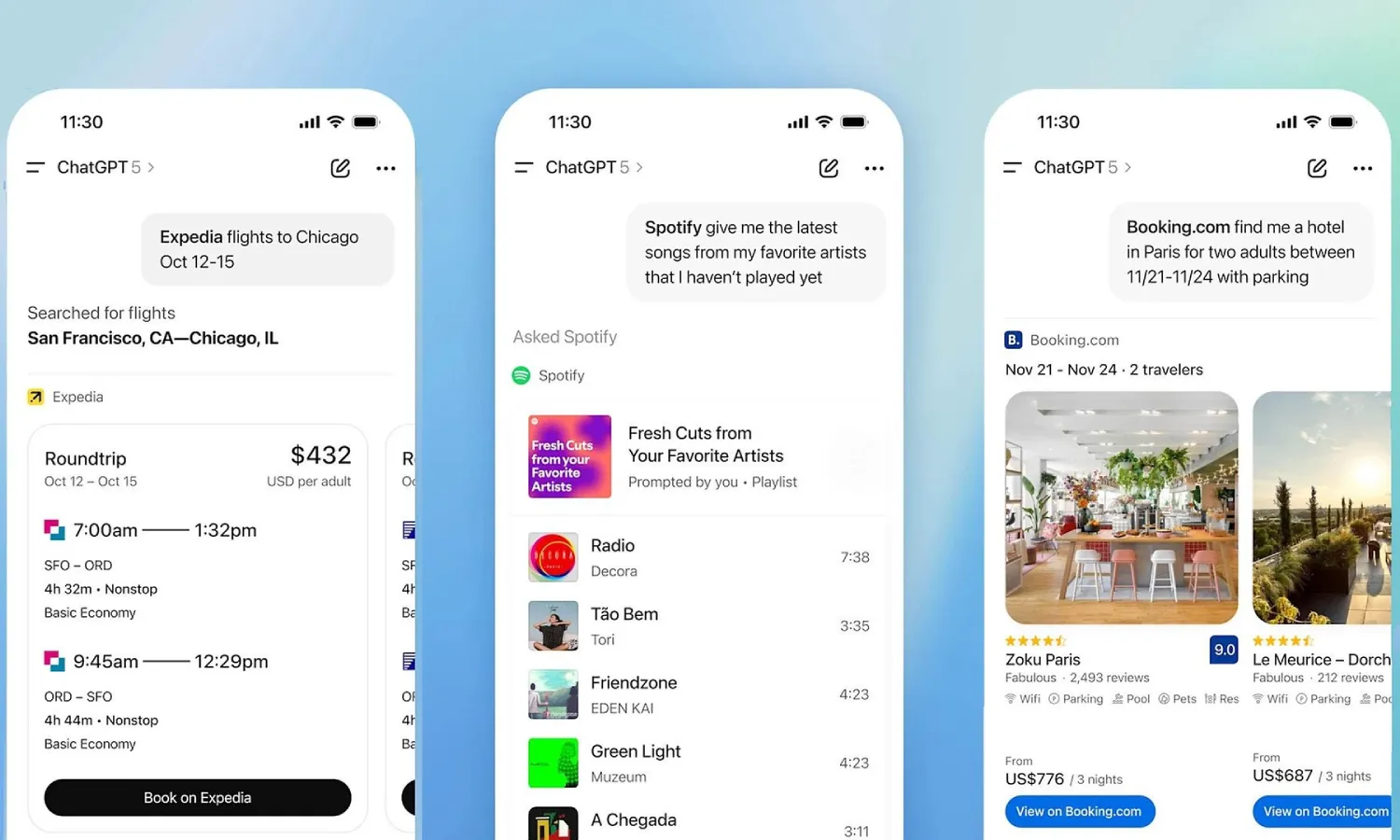
Think of ChatGPT Apps as the digital world’s version of multitasking without the mess.
Each app — whether it’s Spotify, Canva, or Coursera — lives inside the ChatGPT interface. You summon it by name, talk to it in plain English, and it responds with interactive visuals, data, or options.
Want to create a design? “Canva, make a poster for my café’s autumn promo.”
Looking for a new skill? “Coursera, show me short courses on data storytelling.”
Shopping for a home? “Zillow, find me houses under $600,000 near Austin with an open kitchen.”
All of this happens within one conversation.
No app switching. No copy-pasting. No clutter.
It feels natural — almost human — because it is built around how humans actually think and talk.
Behind the scenes, the system is powered by something called the Model Context Protocol (MCP) — basically, a universal language that allows ChatGPT to connect with other apps, share data, and render live, interactive content inside the chat.
The Apps SDK is what developers use to build these integrations. It’s open-source, meaning anyone can create their own ChatGPT app — a travel planner, an accounting assistant, a learning dashboard, or even a company-specific internal tool.
The idea is that apps built for ChatGPT can also work anywhere the MCP standard is supported. It’s like building once and deploying everywhere — except instead of being an app you click, it’s one you talk to.
If the 2000s were the age of websites and the 2010s were the age of mobile apps, this next decade may well be the age of conversational computing.
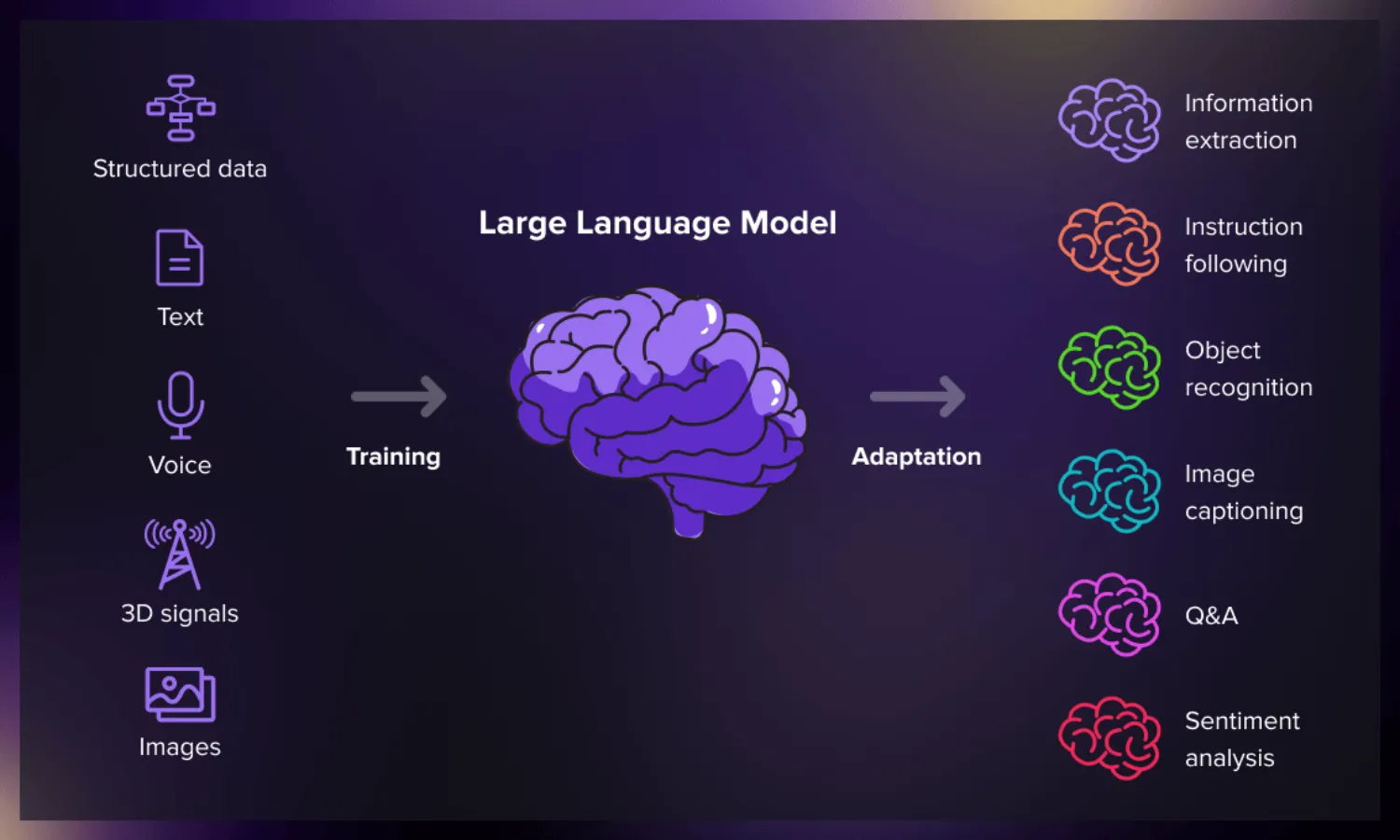

Here’s where it gets fascinating: many analysts are now describing ChatGPT as an “AI operating system.”
Why? Because it’s starting to behave like one.
Instead of using folders, files, or app icons, ChatGPT organizes your digital world by intent. You tell it what you want — plan a trip, design a logo, summarize a report — and it connects to the right tools and data automatically.
In traditional systems, you open an app.
In ChatGPT, you simply ask.
This shift feels small but is fundamentally transformative. It redefines how we interact with technology — from clicking and navigating to conversing and delegating.
If you’re a student, professional, or entrepreneur, this new world simplifies everything.
Students
Can find courses, take quizzes, and summarize lessons without jumping between tabs.
Designers and marketers
Can brainstorm campaigns, generate visuals, and publish content seamlessly.
Professionals
Can integrate work tools — think scheduling, reporting, and research — all in one interface.
Small business owners
Can automate customer interactions, marketing, and even bookkeeping through custom ChatGPT apps.
It’s the ultimate productivity dream: one window, one conversation, countless possibilities.
No wonder so many people are calling this the start of the post-app era — where conversations replace clicks.
OpenAI estimates that more than 800 million users across the world could soon access ChatGPT Apps. For developers and businesses, that’s a massive opportunity — bigger than most mobile app stores.
The open-source nature of the Apps SDK means that startups, freelancers, and enterprises can all participate. You don’t need to build a standalone app or pay for app store listings — you just connect your service through MCP and you’re instantly part of ChatGPT’s global ecosystem.
OpenAI also plans to introduce in-chat payments and revenue sharing, creating a monetization model similar to app stores but frictionless.
It’s an open invitation for innovation — and a new economy built entirely around conversational interfaces.
While the technology is groundbreaking, what makes it truly powerful is how human it feels.
ChatGPT doesn’t ask you to learn new interfaces or workflows. It adapts to your language, your habits, your goals. It remembers context, anticipates needs, and can even suggest relevant apps during a conversation.
But as with any new tech frontier, trust is key.
OpenAI has built transparency into the system — every app must clearly state what data it uses, how it stores information, and what permissions it needs. The first time you use an app, ChatGPT explains exactly what’s being shared.
Still, questions about privacy and control remain. How much access should apps have to our conversations? How can developers ensure compliance across regions and industries?
The answers will shape how confidently users embrace this new model of “AI-first” computing.

OpenAI’s new direction isn’t without risks.
By centralizing so many services inside ChatGPT, OpenAI could become a digital gatekeeper — much like Apple or Google with their app stores. Developers and creators might have to compete for visibility in a system where AI recommendations determine what users see first.
Regulators will likely scrutinize this new ecosystem closely, focusing on data protection, competition, and AI transparency.
And yet, these are growing pains of any major shift. The internet, mobile apps, and social media all faced similar challenges. Each wave forced us to rethink our relationship with technology — and ChatGPT’s new role is no different.
The next step in OpenAI’s roadmap is autonomous agents — digital assistants that can complete multi-step tasks on their own.
Imagine saying: “Plan my trip to Lisbon next month.”
ChatGPT could then use its connected apps to book your flight via Expedia, reserve a hotel, design an itinerary, and even create a packing checklist — all autonomously, while keeping you in the loop.
Partners like Uber, Instacart, and AllTrails are already working on integrations that expand ChatGPT’s reach into everyday logistics and lifestyle.
It’s not hard to imagine a near future where ChatGPT becomes your personal digital hub — managing not just information, but life itself.
In just three years, ChatGPT has evolved from a clever chatbot into something far more profound — a bridge between human intention and machine action.
The new ChatGPT is less like an app and more like an ecosystem — one that listens, understands, and executes.
It’s the first step toward what many are calling the “AI OS” — an intelligent operating layer for modern life.
For students, it’s a learning companion.
For professionals, it’s a co-worker.
For businesses, it’s an infrastructure.
And for everyone, it’s a glimpse into the next era of digital living — one where technology doesn’t just respond, it collaborates.
The story of ChatGPT’s evolution isn’t just about AI getting smarter. It’s about technology becoming simpler.
No downloads. No multitasking chaos. No complex menus. Just a conversation — natural, intuitive, and deeply personal.
OpenAI’s vision is clear: to make ChatGPT the gateway to everything we do online — from learning and creating to buying, booking, and beyond.
Whether this vision fulfills its promise depends on how responsibly it’s built and how wisely it’s used. But one thing’s certain: the way we interact with technology will never be the same again.
ChatGPT isn’t just answering our questions anymore — it’s running our digital world.