
AI is transforming shopping into a seamless experience—comparing prices, suggesting outfits, applying coupons, and even claiming refunds automatically to save time and money.

It’s a Saturday morning in October 2025. You’re sipping coffee, scrolling through your favorite online store, when a quiet notification pops up:
“Hey, this jacket is $12 cheaper on another site—and you can get it delivered tomorrow.”
You blink. Did your browser just shop for you?
Welcome to the new world of AI-driven shopping—where algorithms not only help you find what you want but handle the work you used to do yourself. The once-passive AI that merely suggested a product now acts—comparing prices, picking outfits, applying coupons, and even claiming refunds while you sleep.
In this new retail reality, four technologies have taken the spotlight: AI price comparison, personalized outfit suggestions, real-time coupon and deal alerts, and receipt scanning for automatic refunds. Together, they’ve turned the digital shopping cart into something more like a trusted companion—one that saves time, trims costs, and makes each purchase just a little smarter than the last.
Let’s step into the story of these four transformations—and how they’ve quietly become part of everyday life.
Download practical resources to make AI easier, faster, and more useful — starting now.
Imagine this: you’ve decided to buy a new tablet. The reviews are glowing, but you’re haunted by a thought—what if it’s cheaper somewhere else?
Not long ago, that question meant opening five tabs, copying product names, squinting at different shipping fees, and wondering if the discount code you found actually worked. Today, that entire process unfolds in seconds, silently, in the background.
AI price comparison tools have become the unsung heroes of smart shopping. They crawl across marketplaces, seller listings, coupon databases, and even factor in shipping, taxes, and return policies. The result? A single, clear answer to the question every shopper asks: What’s the best deal, really?
Here’s how it looks from your side. You might type—or even say—what you’re looking for: “Find me a Samsung Galaxy Tab S9 under $500.” Instantly, your AI assistant scours the web, normalizes the product details (because every retailer describes items slightly differently), applies known coupons, and ranks results not just by sticker price, but total cost and value.
If you’ve ever noticed a quiet prompt saying “This price usually drops during Black Friday,” that’s the AI at work too—using price-history data to help you decide whether to buy now or wait.
Modern browsers now weave this intelligence directly into your browsing flow. No more hopping between tabs; alternative options appear right beneath the product you’re viewing. Dedicated deal-finder apps and AI chat assistants also provide cross-platform comparisons with context-specific prompts like “show me the cheapest total delivered” or “only sellers with free returns.”
For consumers, the benefits are obvious: you save precious minutes—and the mental load of decision fatigue. Over time, those small wins compound. A few dollars here and there can easily become hundreds over a year of purchases.
User tip: When you use a comparison tool, be precise. Tell it exactly what you want—brand, model, color, and acceptable sellers. That helps the AI zero in on true matches instead of lookalikes.
Product tip: The best comparison tools don’t just show the lowest price; they show trust signals—ratings, delivery windows, verified returns—so shoppers can weigh safety against savings.


Now picture a different scenario: it’s Friday evening, and you’re staring into your closet, muttering the eternal phrase, “I have nothing to wear.”
You open your fashion app, upload a few photos of your favorite outfits, and type, “Show me summer work looks under $100.” Within moments, your personal AI stylist conjures a lineup of outfits—each tailored to your body shape, color preferences, and budget. One even pairs perfectly with the navy blazer you already own.
That’s the quiet magic of AI-powered outfit suggestion tools, now flourishing across fashion platforms. These aren’t simple recommendation engines; they’re full-fledged stylists, capable of analyzing your body profile, past purchases, and even the contents of your wardrobe. Using computer vision, they detect garment types, colors, and silhouettes, then assemble looks that fit your lifestyle.
Apps like Acloset and Fits are leading this transformation. Their interfaces are simple but powerful: upload your wardrobe, set preferences, and request outfits for a specific event—say, “office wear for humid weather.” In seconds, the app curates pieces you can mix with what you already own and offers direct links to buy.
Some platforms even let you “Try with my wardrobe.” You upload photos of your clothes, and the AI suggests one new item—say, a pair of pants—then shows how it complements three items you already have. It’s sustainable, personal, and strangely satisfying.
For consumers, this means fewer returns, better fits, and more confidence. Instead of endless scrolling, you get visual, ready-to-wear inspiration that feels tailored to you.
User tip: Upload clear, well-lit photos of yourself and your clothes. The AI learns fast—but only as well as the data you give it.
Product tip: Add “why this fits you” explanations: mention matching measurements, similar silhouettes, or customer photos. Small transparency builds big trust.
You’ve found the perfect jacket. It’s in your cart, your finger hovering over “Buy Now.” Then—ding!—a pop-up:
“A 10% coupon just went live. Apply now?”
It’s like magic. Only, it’s not magic—it’s AI-powered real-time couponing.
These systems quietly monitor your shopping session, scanning your cart and checking for any coupon, cashback offer, or card-linked discount available. They test codes automatically, validate stacking options, and present the best deal as a single, one-tap option.
That moment you click “Apply best coupon” and watch the total drop? That’s your AI assistant doing the legwork—searching databases, testing combinations, and ensuring you don’t miss out.
In the past, you’d have opened a new tab, typed “coupon for Nike shoes,” and prayed one worked. Now, deals find you.
Retailers and browser assistants have started integrating this feature deeply into checkout flows. Some even send push notifications: “Your saved item is 15% off for the next 3 hours.” Others test coupons live as you shop, ensuring no opportunity slips by.
Why it matters: Coupon-hunting fatigue is real. Automation eliminates the tedium, saves real money, and smooths out the checkout experience—making consumers more likely to complete their purchases.
User tip: Grant your assistant permission to read cart totals and coupon fields (within privacy limits). This allows it to test codes in real time.
Product tip: Always offer a clear “Apply best deal” button—and show how much you saved. Transparency turns automation into loyalty.

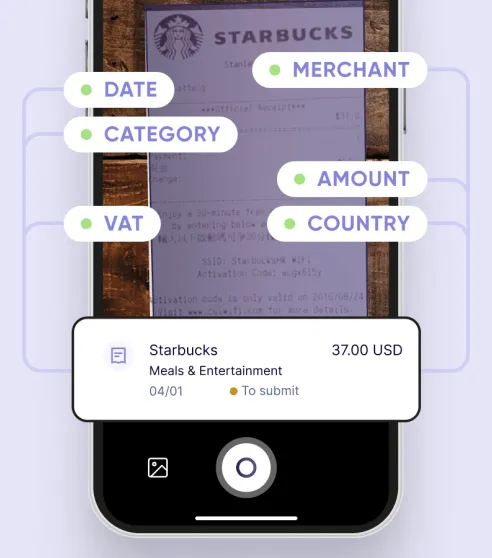
The story doesn’t end after checkout anymore.
A week after buying that jacket, you open your receipts app—and there it is:
“Your item dropped in price. Refund claim submitted automatically.”
This, too, is AI at work. Receipt scanning and automatic refunds are becoming the quiet revolution of post-purchase life.
Here’s how it works. You snap a photo of a paper receipt or forward your email confirmation. Optical Character Recognition (OCR) reads every detail—merchant, item name, price, tax—and stores it securely. From there, the AI tracks that product’s price, waiting for drops or refund opportunities.
When it spots a price change within the retailer’s policy, it drafts and submits a refund or price-adjustment request for you—or simply presents a one-tap “Claim refund” button.
For consumers, this means lost money found again. No more scrolling through policies or manually filing claims. For frequent shoppers or anyone who buys high-ticket electronics, the savings can be substantial.
User tip: Keep all your receipts—especially for electronics or appliances—in one app that supports automated tracking. That’s where the biggest refunds usually hide.
Product tip: Always make automation auditable. Show users the claim before sending it, and log every action clearly. Trust grows from visibility.
Individually, each of these tools is powerful. Together, they create a seamless experience—a kind of digital concierge for your shopping life.
Imagine a weekend wardrobe refresh.
You use an AI stylist to assemble two perfect summer jackets. Instantly, your assistant compares prices across retailers, finds the cheapest total (including shipping), applies an automatic coupon, and finalizes the purchase. Days later, when that same jacket goes on sale, your receipts app quietly files a refund request—returning the difference to your card.
Or picture a traveler hunting for noise-cancelling headphones under $200. Their AI assistant finds the best-reviewed model, checks shipping timelines, applies cashback, and stores the receipt for future price drops—all before their flight even boards.
In these moments, the AI isn’t a separate tool. It’s the thread stitching the entire shopping journey together—from desire to delivery to aftercare.
That’s the real revolution: not just smarter tools, but a smarter experience.


Of course, every convenience has a cost—and in the world of AI shopping, that cost is data.
Consumers rightly ask: What is my assistant seeing, storing, and sending? The answer lies in transparency. The best AI shopping tools offer clear privacy dashboards—showing what data they access, how long they keep it, and giving users a simple “forget me” button to erase it all.
Security is equally crucial. Receipt and payment data should be encrypted, stored minimally, and visible through audit logs that show every coupon applied or refund requested.
And then there’s consent. Any AI that performs transactions or submits claims must do so only after explicit opt-in. Control, after all, is part of trust.
For everyday shoppers, the takeaway is simple: integrate your tools.
Use one trusted assistant or wallet that combines couponing, receipt tracking, and style assistance in one place. Store your high-value receipts, let AI monitor for refunds, and feed it good data—like clear wardrobe photos or precise product searches—to improve results.
For product managers and developers, the challenge is orchestration. These features shouldn’t feel like four separate products—they should flow as one. From price comparison to couponing to refunds, the journey should feel natural, continuous, and clear.
Focus on high-impact categories like apparel, electronics, and travel—where savings and satisfaction are most visible. And always, always communicate what automation is doing on behalf of the user.
As we reach the end of 2025, AI has moved beyond being a novelty in online retail. It’s now a practical, everyday assistant—one that earns its place by saving money, time, and mental effort.
Price comparison, outfit curation, coupon automation, and refund recovery are no longer isolated innovations; they’re chapters in the same story: a story of convenience meeting intelligence.
For consumers, the joy lies in watching their digital tools quietly work in the background—hunting bargains, styling wardrobes, and reclaiming refunds—while they focus on what actually matters.
And for the businesses building these systems, the opportunity is clear: create tools that do the work and build the trust. Because in this new age of smart shopping, the best assistants don’t just recommend—they deliver.